Author: Gale

  • Cleaning motorcycle jacket and pants

    I’ve come up with a fairly effective way of cleaning my motorcycle jackets and pants after they have accumulated a good layer of highway grunge. I’ve used the same method on both an Aerostich Roadcrafter and an Olympia Mesh jacket and pants and it works equally well on both.

    I use Dawn Power Dissolver since it’s an incredible product for cutting through and removing grease and oil. I hate to sound like a commercial, but have an oil stain you accidentally washed into a shirt months ago? Buy Power Dissolver, spray the oil stain, wash in warm water. The stain will be gone.

    As for the effect Power Dissolver has on the Gore-Tex — I have worn my Aerostich while riding for a full day in torrential rain after cleaning with the following method and stayed bone dry. Looking good is less important to me than staying dry. And yes, I realize anyone with half a brain wouldn’t ride for a full day in torrential rain.

    Summary of Cleaning Steps

    1. Empty all the pockets
    2. Remove all the protective pads
    3. Pre-soak
    4. Scrub
    5. Rinse in tub
    6. Rinse in washer
    7. Wash
    8. Dry
    9. Waterproofing
    10. Zipper maintenance
    11. Replace pads and put things back in pockets

    Detail of Method and Products

    Step 1. Empty all the pockets. Don’t laugh — I’ve almost washed some important stuff.

    Step 2. Remove all the protective pads. You do not want to get soapy water in your pads. If you want to clean them just rinse with warm water, but be warned — it will take them forever to dry. I learned that one the hard way. The first time I removed the pads I used a permanent marker to initial them with their location. I figured they’d somewhat molded to my body and I wanted the right side pads back in the right and the left ones on the left.

    Step 3. Pre-soak – put the jacket and pants in the bathtub and thoroughly spray with Dawn Power Dissolver and let it soak for 30 minutes. A sink isn’t big enough, so the tub gives you room to work.

    Step 4. Scrub – put hot water in a container (to assist with oil cutting) and a little Dawn dish washing soap (also a grease cutter). The Dawn may be overkill, but as grimy as my suits get I figure it can’t hurt. But only use a little or you’ll be rinsing for an hour. Dip a stiff bristle brush into the water and then scrub the entire outside surface of the jacket and pants paying extra attention to the grimiest areas. Dawn Power Dissolver will foam up as you brush. Dipping the brush into the water doesn’t over dilute the Dissolver.  If your jacket and pants are any where near as bad as mine you’ll quickly notice the foam is really dirty, almost black.

    Step 5. Rinse in tub – rinse thoroughly with clear water in the tub.

    Step 6. Rinse in washer. Dawn and other laundry soaps are not compatible with the products that waterproof Gore-Tex so the soap has to be completely removed. Zip all the zippers (to prevent wear and tear) and rinse twice in the washing machine with clear water.

    Step 7. Wash — I have used Grangers and Nikwax products and find I like Grangers better. I do not want to waterproof when I wash so I use the Granger 30°C Cleaner which is formulated for Gore-Tex. I do not use the all-in-one cleaner and waterproofer.

    Step 8. Dry — throw the suit in the dryer or allow the suit to air dry. I figure air drying is a little less wear on the vital parts so I hang mine to dry.

    Step 9. Waterproofing –  I tried the wash-in waterproofing (it was Nikwax) and felt it left the material feeling almost slimy and I hated the feel against my skin when I wore short sleeves under the suit.  I don’t think the inside needs to be waterproof and seems to me the whole thing will breathe better if it isn’t. I have used Grangers XT Waterproofer several times and love the stuff. I put the jacket and pants on hangers and take them outside to spray. When the exterior is evenly coated with spray I take them back in and put them in the dryer on medium heat to activate the waterproofing. This step is essential for the waterproofing to work — air drying will not give the same results. You’re almost done.

    Step 10. Zipper maintenance – I feel the zippers, especially on my Aerostich, take a lot of abuse so I want to give them extra TLC to prolong their life and prevent problems on a trip (the zipper pull on the leg of my Aerostich failed on the way to Big Bend and that was a pain until I could get to a hardware store and rig something to open and close the zipper with). I already had McNett Max Wax for my scuba diving wet suit zippers so it’s the product I use on the zippers for all my motorcycle gear. It’s a silicone based lubricant that’s like a stick of wax. Rub it down the zipper teeth when the zipper is open and open and close the zipper a couple of times to spread the wax around.

    Step 11. Replace pads and put things back in pockets. I don’t know what it’s like for bigger size suits, but getting the pads back in my smaller size suit is a wrestling match for me. If anyone has a good method for this I would love to hear it.

    That’s it. It seems like a lot of steps but the only one I really dread is scrubbing in step 4, but that’s because I’m not wild about the smell of Dawn Power Dissolver. I only wash my jackets and pants once or twice a year, depending on mileage, so it’s not that big of a deal and I feel better when they are clean and well maintained.
  • Replacing worn out velcro on Aerostich jacket and pants

    I’ve realized for a while the Velcro wasn’t really sticking at several places on my Aerostich jacket and pants (I have a Roadcrafter zip together suit).  I feel the maintenance on my suit has been pretty negligible considering it’s got about 50,000 miles on it. Except for washing and re-waterproofing I have only had to replace a zipper pull that broke on one of the legs. Aerostich sells a reasonably priced packet of zipper pulls and stops and they were very helpful over the phone in assisting with the zipper repairs.

    What needed repair

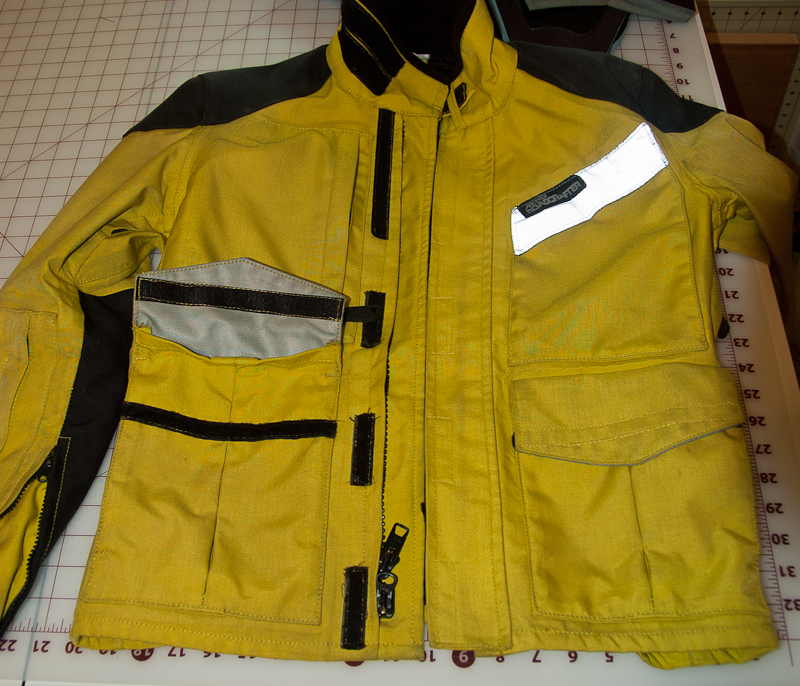
    The Velcro areas that were no longer sticking well were the front jacket flap, the front jacket pocket flaps , the fly flap on the pants, and each side pocket of the pants  for a total of eleven Velcro strips. These are the areas that are regularly opened and closed. The Velcro for the pant leg opening, the sleeve opening, and the adjusting tabs in the back of the jacket that stay put almost all the time were all in great shape.

    Stitching after new Velcro has been sewn in

    The two sides of Velcro wear out in different ways. The hook side either has so much fuzz and miscellaneous crap stuck  in it or the hooks are missing or broken. The loop side can get so pulled apart and fuzzy it’s too loose to hold any longer. All the loop sides looked in reasonably good condition, but after cleaning the junk out of the hook sides there didn’t appear to be a whole lot of hooks left. I got a new piece of Velcro and tested both sides. The current loop sides adhered well and the hook barely stuck.

    I suspect, due to experience, Aerostich placed the hook side of the Velcro where it’s easiest to replace — it’s on the actual flap of each problem area, not on the body of the pants or jacket. If it were the opposite way around it would be a huge pain to fix.

    Replacing the Velcro

    I’m sure the suit was sewn with nylon thread to prevent fading, but I decided to go with polyester thread that’s available locally and not worry about a little faded thread showing. The original Velcro was sewn in during the construction process so I’m going to have more top stitching showing than the jacket originally had. I doubt Aerostich takes the entire garment apart and probably makes the repair the same way.

    Less than $7 for thread (called dull brass to match my high viz yellow jacket)  and 5 feet of 3/4″ Velcro. The Velcro on the suit was 5/8″ but that wasn’t available and the slightly wider Velcro wouldn’t make a difference.

    I wanted Velcro brand hook and loop. I have bought some off brand Velcro at a significantly lower price, but it didn’t appear to be made quite as well — at least that was my impression.

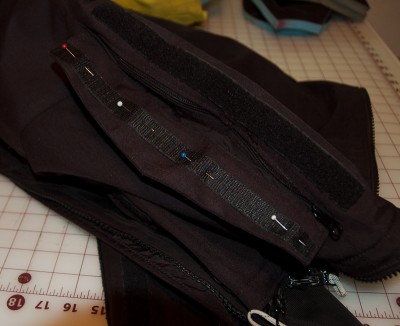
    New Velcro pinned to pant pocket flap

    I did call Aerostich out of curiosity to get an estimate and they said the suit would have to be shipped and then checked by the repair department and then they call with the cost. At that time they had a 3 week back log of repairs and you had to send the suit to get in line. So for those who wish to have Aerostich do the work — send it during the winter. I’d hate to be without my suit for 4-5 weeks right now. There’s always the option of going to a local seamstress or tailor if you don’t want to ship to Aerostich or do the repair yourself.

    The removal of the deteriorated Velcro was painless except for one spot. The top piece of Velcro on the front jacket flap was stitched into the collar so I removed the stitches as far as I could and snipped off the Velcro at the collar seam.

    Stitching on the new Velcro hook was almost as easy since it went on flaps. I don’t think it took more than 1/2 an hour to do the stitching.

    Final steps

    I should note I did the Velcro replacement after washing the jacket and pants and before waterproofing. After I attached the new Velcro I sprayed the stitching and the rest of the outside of the garments with Grangers XT Waterproofer and tossed them in the dryer to activate the waterproofing.

    I suspect in another year I will be replacing the loop side of the Velcro as well, but for now the closures are all working properly after spending a little more than an hour and $7 to do the repair.


  • Hill Country Wildflowers 2012

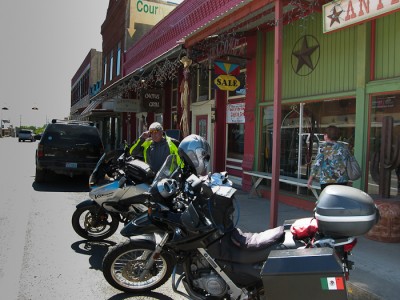
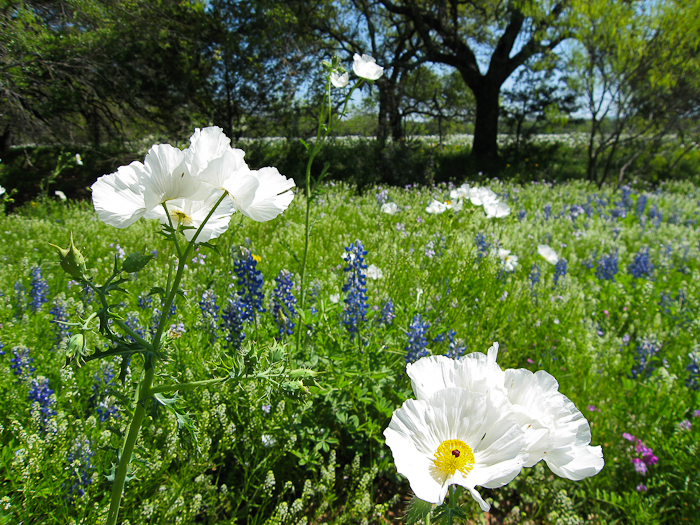
    It might have been a little early, but the weather was too perfect to miss so a friend and I headed down to Fredericksburg to check out the hill country wildflower display this past weekend.

    The ride down

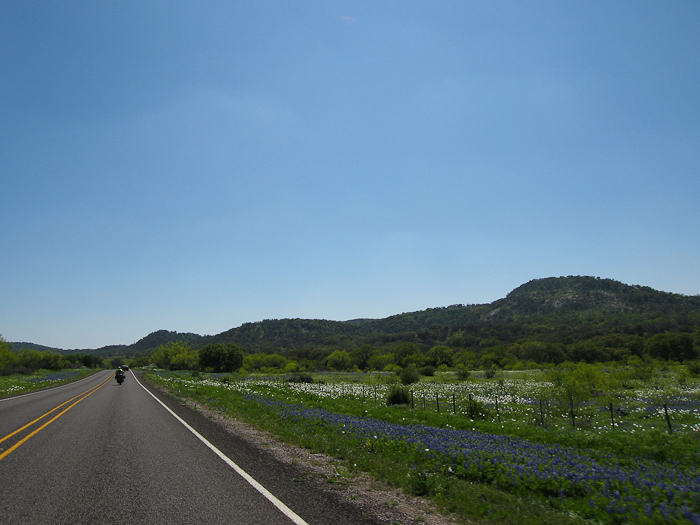
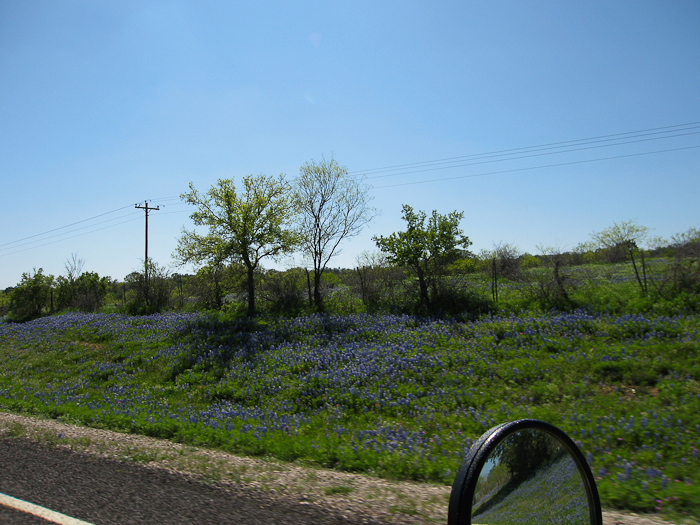
    After a lunch stop at the Cactus Grill in Meridian the display of flowers began south of Llano on route 16. There were sections where the bluebonnets were so thick along the roadside the air was full of their scent. It was a great time to go through the hill country because the hills were dotted with an array of greens; the dark green of cedars, the lighter green of deciduous leaves, and spots of beautiful pale spring green from late opening trees.

    We tried to stop at Enchanted Rock State Park, but it appeared everyone in central Texas had made the same choice and there was a line to even turn into the park so we headed on to Fredericksburg.  The park is on 965 and the scenery was gorgeous.

    We stayed at the rustic Frontier Inn on the east edge of Fredericksburg — reasonably priced, clean and run by super nice people.


    Wildseed Farms

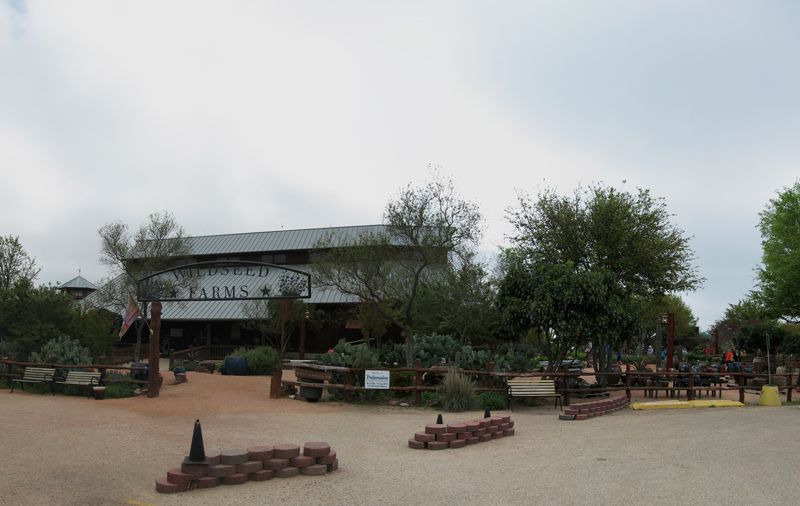
    The day started out with clouds and fog for the first stop on Sunday at Wildseed Farms just east of Fredericksburg. It might not be a hit with the guys, but a definite must see for females traveling the area. Fields of wildflowers surround a group of great shops; beautiful plants, gorgeous things for the yard, a beer and wine shop, a nature shop with bird feeders, and of course, a huge selection of wildflower seeds.


    Willow City Loop

    The clouds and fog burned off and after a run out to Pedernales Falls State Park we rode the area to see wildflowers (1323 is really nice) and saved the Willow City loop until later in the afternoon. The flowers were incredible on the loop, but so was the crowd. I would recommend trying to see the loop on a weekday to avoid the crowds that block the narrow 13 mile road. Crowds or not, it’s a must see during wildflower season.


    A sprint out toward west Texas on Monday morning and we were back in town with weekend mileage of 685. The weekend ride was a great way to celebrate spring.

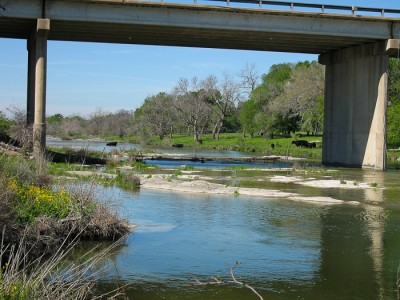
    San Saba River
  • DIY Hood for Garmin Nuvi 2450

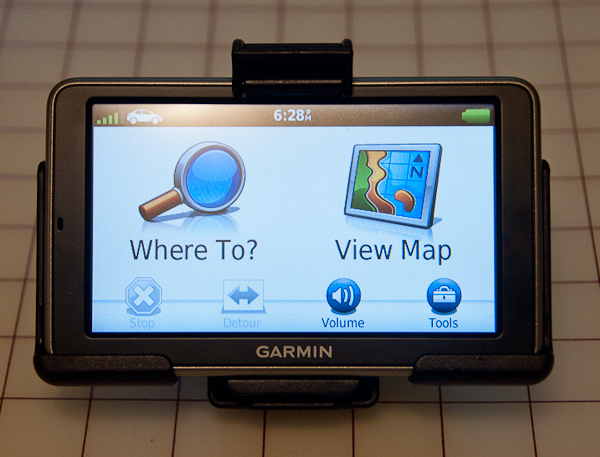
    I finally upgraded from my antique Garmin GPS V (no snickering) and purchased a Garmin Nuvi 2450LM for use on my motorcycle. No, it’s not waterproof, but I will either get a waterproof box or pull it when I ride into rain. Since research showed the smart plan is to get new technology every few years, I wanted the most economical Garmin GPS I could get that would still allow the import of up to 100 routes and 1000 waypoints. The 2450 was as low as I could go and I got one for $157.

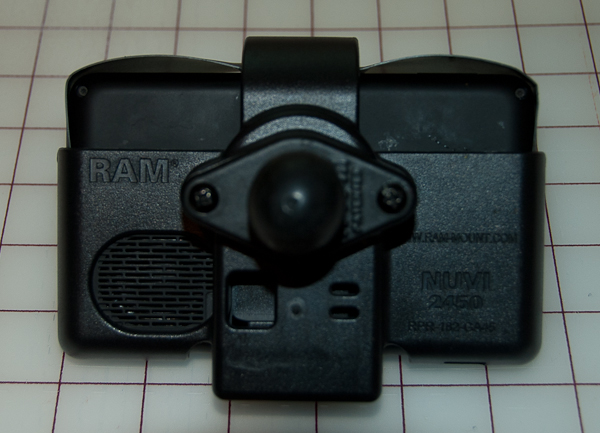
    I purchased a Ram Mount from Express Mounts for attaching the GPS to my motorcycle handlebar. The 2450 snaps back into the frame after passing back across a roller at the center top. It’s impressive how firmly mounted the GPS is in the Ram Mount. No worries about the GPS falling out on the road.

    The 2450 meant going from a less than 2 ¾” display to a full 5” display so I looked forward to the first test ride with great anticipation. It was like going from a postage stamp monitor to a full LCD mounted on my handlebars. I took the motorcycle out on a sunny day and couldn’t see a thing on the display. Back to the drawing board.

    After a lot of time spent researching screen films and various hoods I decided they were all over-priced and no guarantee of solving the problem and wanted a DIY option that wouldn’t break my heart if it didn’t work.

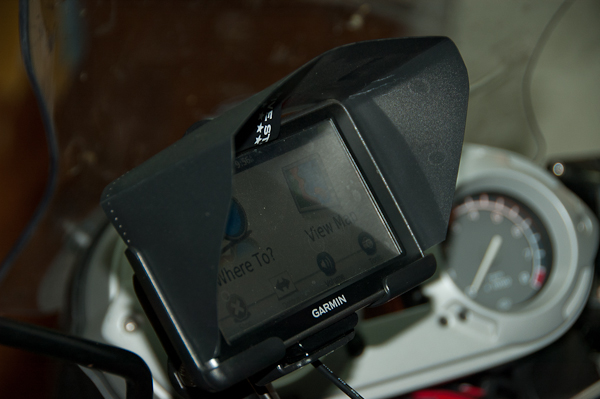
    I didn’t want a soft hood (fabric) so I started racking my brain for a light weight plastic that would be cheap and flexible enough to bend and force into the small gap between the Ram Mount and the GPS. I found one DIY post where a guy used a DVD case, but the gap between the Ram Mount and my 2450 would never accommodate plastic that thick.

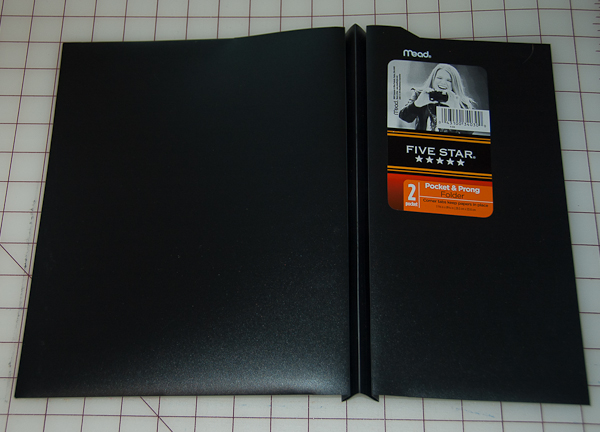
    It finally hit me – a flexible binder cover was the correct weight. I went to Walmart and found just what I wanted – a black plastic opaque binder. Make sure the binder is not translucent. Hold it up to the light and verify you can’t see your hand through it. Total cost: $1.87.

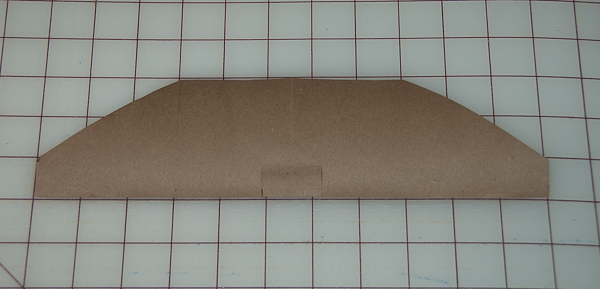
    I measured the GPS and made a pattern from craft paper. I used a rotary cutter and a straight edge, but the plastic could just as easily be cut with scissors.

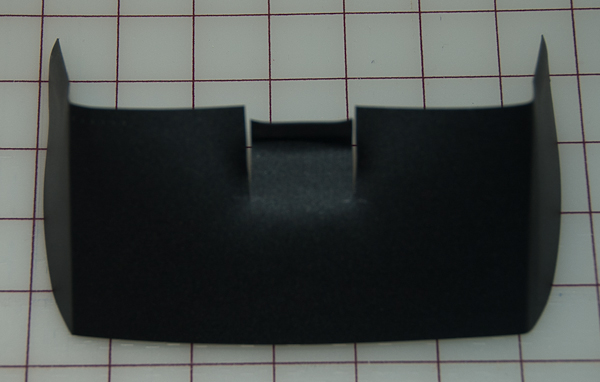
    The most important issue was finding a way to accommodate the roller that holds the GPS so I cut 1” slits to make a tab in the plastic. The tab has to be forced under the roller that holds the GPS. Less than 1” slits and the top of the hood is forced down blocking the view of the screen.

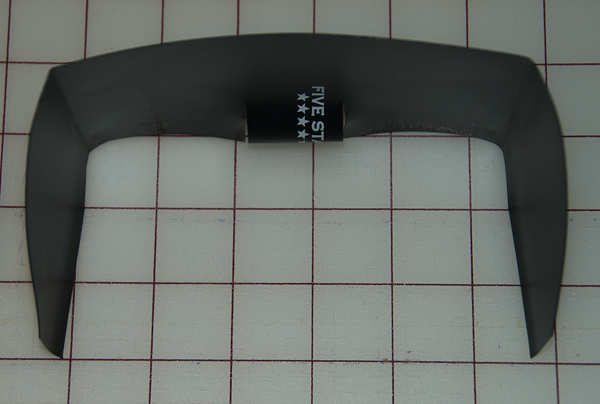
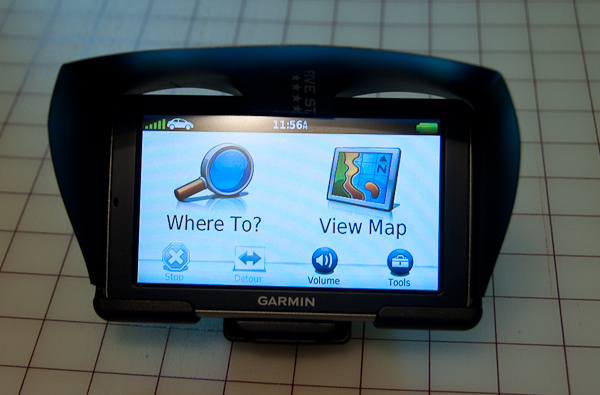
    I folded the plastic at the top corners of the GPS and then forced the sides into the small gap between the GPS and the Ram Mount. That was it. I was ready for a test ride.

    I left fully expecting the thing to get ripped off by the wind before I got out of the neighborhood. I ride a BMW F650GS with very little wind protection. The GPS, mount, and hood would pretty much be hanging out taking the full brunt of the wind.

    I went for a 685 mile trip and the hood stayed in place even at highway speeds and in wind gusts. I would check every once in a while and make sure it wasn’t being pushed forward.

    Best thing? It blocked the sunlight so I could clearly see the GPS display. I found it’s very important to have the GPS pointed squarely at your eyes to avoid glare in bright sunlight.

    Yes, the plastic bows up a little on each side of the top roller, but it doesn’t allow light in to decrease visibility of the screen and apparently doesn’t catch enough wind to pull it off.

    Since the binder cover has enough plastic to make 4 hoods I plan to make a backup hood to pack on the motorcycle in case the hood fails or gets blown off. It’s not like it will take a whole lot of space to slip in somewhere.

    It will take you longer to go to Walmart and get the binder than it will to cut the hood out and put it on the GPS. 4 hoods for $1.87? Seems like a deal to me.

    As far as the 2450 – the touch screen worked great with gloves on my hands. I do think I’ll apply a screen protector to prevent scratching. Now I just need to learn how to use the new GPS 🙂

  • Back on the Road – finally

    Okay, it was only 900 miles. But heh, I was back on the motorcycle, out of town, and very happy to be on the road.

    Three day weekend and I literally don’t think I saw a cloud all weekend. I took secondary roads out to Caprock Canyon State Park and was amazed by how dead everything looked after the drought this summer.

    Welcoming Committee at Caprock Canyon State Park

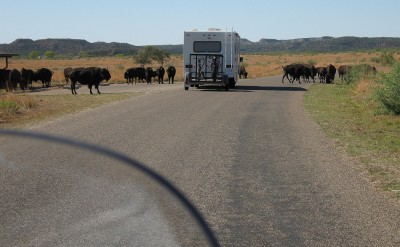
    I got out to the park and was blocked from getting to the camp site by bison on the road. They are part of the herd Charles Goodnight saved when all the original bison were being slaughtered out of existence. I had feared the bison herd would only be seen behind fencing, so I was happy to see them on the road even if they weren’t too enthralled with the sound of my F650 single and started to run as I was passing through them. They are really, really big animals and I had kind of hoped they wouldn’t be too freaked by the engine noise…

    The next morning it was off for a 100 mile run up to Palo Duro State Park to see that canyon too. I have really come to believe if there is a mere breath of wind in west Texas or the panhandle it blows itself up into much higher force because there is absolutely nothing out there to slow it down. Needless to say it was a breezy ride there and back through miles and miles of nothingness.

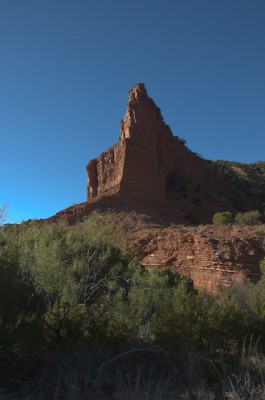
    Caprock

    If you’re going between Caprock and Palo Duro I would highly suggest 207 – it crosses the canyon and is a fun drop down into it and then ride up out of it with pretty scenery.

    I don’t know if you’re familiar with the story about the caprocks. Before the Indians had horses and more sophisticated weapons they would run bison off the end of one of the caprocks and then gather at the bottom preserving all the meat, tanning the hides, even making utensils out of the bones. No part of the bison was wasted. Which makes me respect the Indians a heck of a lot more than the white hunters who decimated the bison for only their hides.

    I was expecting PD to be much more impressive than Caprock but ended up liking Caprock a lot better. It’s less more heavily visited and a much broader part of the canyon lands. Nicely maintained campgrounds and a lot of wildlife that feel very comfortable around humans.

    Link to slide show: http://motorcycle-journeys.com/images/2011_trips/caprock/index.html